


Doctor Collins
A Fall Tom Collins variation with a ginger kick.

Paging Doctor Collins...
The story behind this drink is about family. When I was a young boy, my parents had a small wet bar in our house and it was there that I learned of the Tom Collins. It was one of the first drinks I ever knew of. Fast forward a couple of decades and the Tom Collins has become one of my favorite summer drinks and will always remind me of my parents.
To this day, the Tom Collins is still one of my father's favorite drinks. Growing up he also fancied another drink with ginger ale and whiskey, often Canadian Club or Seagram's. Knowing this, I started making him whiskey Collins variations over the past 5 years. One day I infused some fresh sage herb into rye whiskey, and mixed it with some ginger syrup and fresh lemon juice. The herb infusion adds botanical characteristics that you would normally find in gin.
The name of this drink is a nod to my father, who happens to be a doctor.
The Doctor Collins recipe:
1.5 oz Sage infused rye whiskey (I recommend using Bulleit or Rittenhouse)
.75 oz ginger syrup
.75 oz lemon juice
2-3 oz soda water
Garnish: sage leaves and lemon peel
Add all ingredients, except soda water to a cocktail shaker. Add ice and shake well for 20 seconds. Double strain into a Collins glass with ice. Top with soda water and garnish.
Substitutions:
Rye whiskey: Infused Bourbon or Irish whiskey could be used as well. Gin will work nicely too. If you don't infuse a spirit, you can muddle sage leaves (4-6) in a cocktail shaker with your sweetener (ginger or simple syrup). Keep the muddle leaves in the shaker and shake with the rest of the ingredients with them in it. Double strain into Collins glass with ice, top with soda water or ginger ale.
Ginger Syrup: Ginger Ale could be used in place of soda water. However, you will need to substitute the ginger syrup with simple syrup.
View Sage Infused Rye Whiskey Recipe >>>
.

Sage Infused Whiskey
Sage infused rye whiskey recipe.
Sage is one of the most popular herbs to cook with and is one of the more underused herbs used in cocktails. It has an earthy and pine-like flavor as well as an incredibly fragrant aroma. It even has a citrus quality to it. It's a great Fall herb to infuse your booze with.
Sage Infused Whiskey recipe:
Makes 1 cup or 8 oz.
1 cup of whiskey (I recommend rye whiskey, such as Rittenhouse or Bulleit)
6-8 leaves of fresh sage (washed)
1 clean mason jar
Combine ingredients in the mason jar.
Gently shake jar daily.
Let infuse for 3 to 5 days. Taste daily until desired flavor is reached.
Sage has a powerful aroma. Be careful not to over infuse. Taste early and often. The final flavor profile should have both sage and whiskey qualities.
You can use this recipe with other spirits such as gin, vodka, tequila, or scotch.
My Old Faithful
My affinity for the Manhattan cocktail.
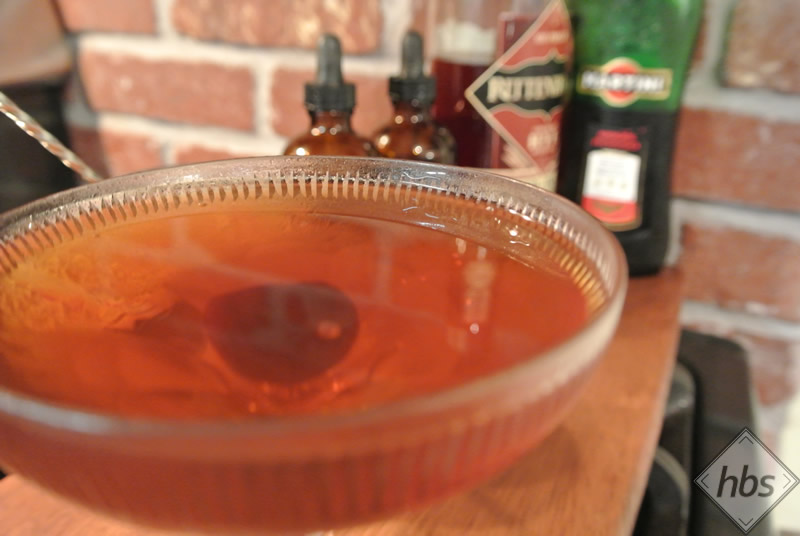
The Manhattan cocktail.

Whether you love Chardonnay, Grey Goose on the rocks with a twist or the latest great craft beer, we all have our favorite drinks. The Manhattan cocktail is mine.
Don’t get me wrong, there are many other cocktails that I love, both modern and classic, but the Manhattan has a special place in my heart. It was the first cocktail I ever ordered (legally) at a bar and it happened to be in the great city of Manhattan. Granted it was made by a sleep-deprived bartender, who put a hefty half-ounce of cherry juice in it and served it over rocks (ice), but hey, it was delicious for the time and place.
I would be even willing to bet that this cocktail is my wife's favorite as well. Whenever we have one together, our first few sips are in silence and admiration for the simplicity and elegance of this cocktail, which is only comparable to the Martini. Our first words uttered to each other are usually, "god damn, that is good".
The history of this cocktail is a bit cloudy. The cocktail itself dates back to at least the 1860's in New York. Some scholars maintain it was created at the famed Manhattan Club in the early 1870's at a banquet held by Winston Churchill's mother, Jennie. It's a cute story, but I would be hesitant to bet that this is the first time a bartender concocted this immensely straightforward cocktail recipe. The Manhattan was typically made with rye whiskey, as it was the most prevalent whiskey of the day, but with Prohibition came the very unfortunate near extinction of rye whiskey.
During Prohibition the Manhattan became popular again, but was mostly made with Canadian whiskey, which is also made with rye and was imported illegally into the country from our neighbors above. After Prohibition, bourbon was the predominant whiskey of the land and replaced rye whiskey in Manhattan's. It wasn't until our recent cocktail revolution that rye whiskey was resurrected and made available again.
Today, you can find rye whiskey at almost any liquor store. Perhaps it was this very cocktail, my 'Old Faithful' as I refer to it, that got me interested in cocktails and their history in the first place...certainly seems like it.
Traditional recipe:
2 oz American whiskey (originally made with rye, but bourbon is often substituted)
1 oz vermouth (Italian or sweet style)
2 dashes bitters (Angostura or some type of aromatic style)
brandied cherry for garnish
A simple way to remember the proportions is 2-1-2, Manhattan's famous area code.
My Manhattan recipe:
2.5 oz rye whiskey (preferably 100 proof, I recommend Rittenhouse rye)
.75 oz sweet vermouth (I recommend Carpano Antica)
2 dashes aromatic bitters (such as Angostura)
1 dash orange bitters
1 drop salt tincture (1:1 salt to water)
Garnish: orange peel and Maraschino cherry
In a mixing glass, add your rye whiskey, sweet vermouth, bitters, add ice and stir. Once properly diluted, strain into a chilled cocktail glass. Garnish with an orange peel, not a cherry. The citrus component adds another layer of complexity and compliments the whiskey perfectly. Tasting the expressed citrus oil first then getting a smack of the oak barrel from the whiskey is the perfect first sip. Then gradually comes the sweet herbal notes from the vermouth, the bitterness from the bitters and the flavors of the whiskey. - you'll taste caramel, vanilla, chocolate, black pepper and finally the wood of the barrel the whiskey aged so patiently in.
I like my Manhattan’s bitter and strong. This drink is meant to be savored slowly, it's not a cold glass of water on a hot summer day. Enjoy it with someone special or have it by yourself. It's the quintessential drink to sip while in deep thought or simply trying to relax.
Here is a great informational video of cocktail historian David Wondrich making a classic Manhattan.
Substitutions:
Rye whiskey: Bourbon whiskey with a high rye content works very well (Bulleit, Four Roses Single Barrel, Redemption, Old Grand Dad, etc.). Canadian whisky can also be used in a pinch.
Sweet vermouth: Any of your standard sweet vermouth's will do. You can also use Punt e Mes, if you want more of a subtle bitter taste.
Bitters: You have the microphone here. Use whatever you like, but be sure to include some sort of aromatic style (like Angostura or even Peychaud's). I use Woodford Reserved Spiced Cherry bitters often.
Pre-Que
Cocktails at a bbq? Hell yeah!

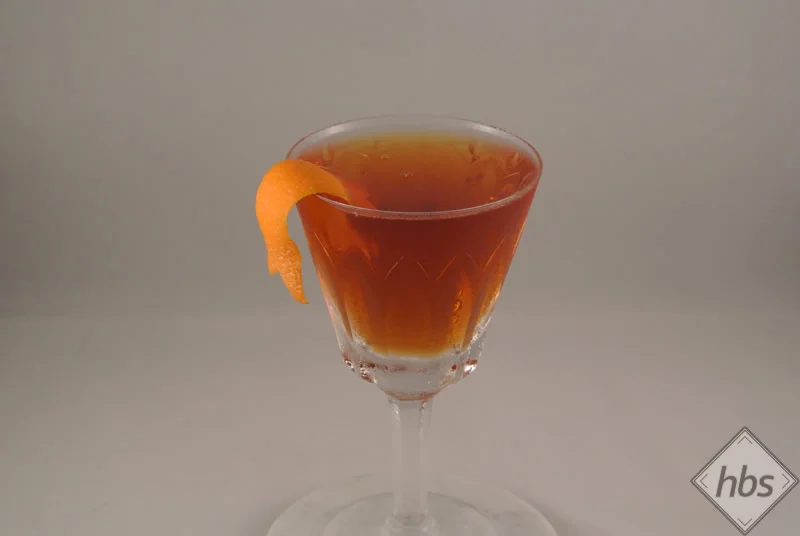
Barbecue (or BBQ) is synonymous with beer. BBQ season tends to be during the hot months and beer is refreshing and will wash down your big, rich, savory meal. This cocktail was created for the pre-BBQ. You know, before the grill is even lit or when you are prepping the meal. The Pre-Que will open up your palette, stimulate your appetite and introduce the BBQ flavors to your taste buds before you even eat anything.
The Pre-Que cocktail recipe:
2 oz rye whiskey
.75 oz Dolin Blanc
.5 oz Ramazzotti Amaro
Barspoon Vanilla Giffard
1 dash Cocktail Punk Smoked Orange bitters
1 dash Crude Smoke and Salt bitters (salt tincture can used with whole peppercorns in the mixing glass)
orange peel for garnish
Add your ingredients to a mixing glass. Add ice and stir until properly diluted and cold. Pour into a chilled cocktail glass and garnish with orange peel.

Substitutions:
Ramazzotti: I highly recommend using Ramazzotti as it imparts nice root beer and caramel notes. Amaro Averna or Amaro Meletti can be substituted in a pinch. Amaro Sibilla would probably work perfectly here instead of the Ramazzotti with the smokey oak and honey flavors, but it's expensive and hard to find. If you have a bottle, go for it and report back.
Vanilla Giffard: Vanilla simple syrup can be used here or Tuaca, if necessary.
Smokey bitters: Try using a smokey/peaty scotch, like Laphroaig, to rinse the glass prior to adding the cocktail. Be sure to discard the residue before adding cocktail. I have never tried this, but another route could be to use liquid smoke, but only the tiniest of drops. Be sure to add a drop of aromatic bitters and orange bitters as well as a tiny pinch of salt, if you do either of these methods.
